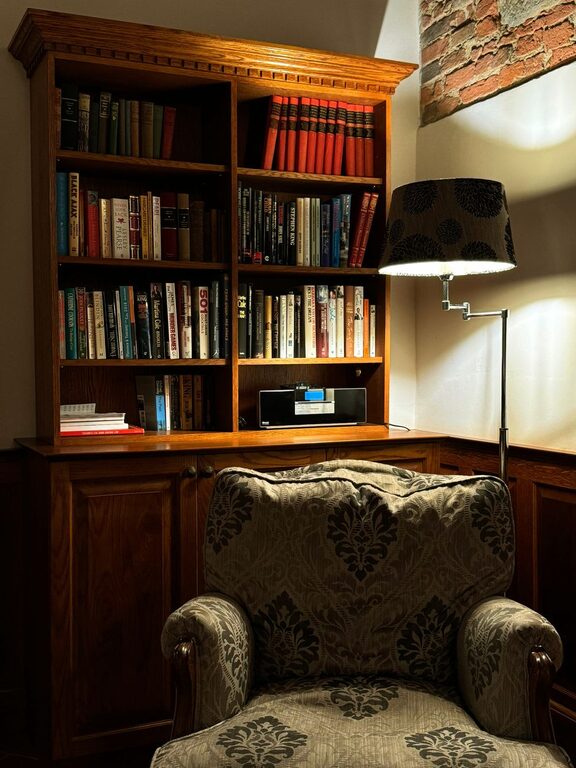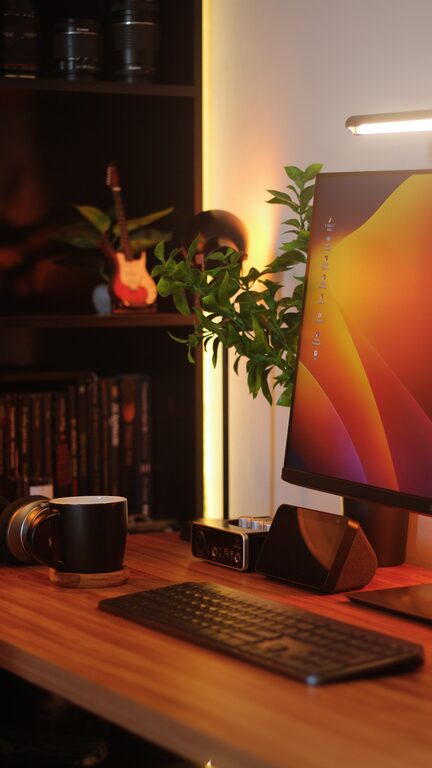


Creating a relaxing home office environment is essential for maintaining focus, boosting productivity, and reducing stress during your workday. Whether you work remotely full-time or occasionally need a quiet spot for tasks, your workspace should feel comfortable and inviting. Here are some practical tips to help you design a home office that promotes relaxation and efficiency.
Choose the Right Location for Your Office
Selecting the right spot in your home is the first step toward creating a peaceful workspace.
– Natural Light: Opt for a room or corner with plenty of natural light. Sunlight improves mood and helps regulate your body’s natural rhythms.
– Quiet Area: Pick a quiet space away from household traffic and noise to minimize distractions.
– Separate Space: If possible, have a dedicated office area distinct from relaxation or entertainment zones. This helps your brain associate the space with work.
Invest in Comfortable Furniture
Your furniture plays a big role in your comfort and productivity.
– Ergonomic Chair: Choose a chair that supports your lower back and promotes good posture.
– Adjustable Desk: A height-adjustable desk lets you alternate between sitting and standing, reducing fatigue.
– Adequate Desk Space: Make sure your desk has enough room for your computer, documents, and other essentials without feeling cluttered.
Optimize Lighting
Proper lighting reduces eye strain and helps maintain alertness.
– Use a Desk Lamp: A soft yet bright desk lamp can illuminate your workspace without harsh glare.
– Control Screen Brightness: Adjust your monitor’s brightness to match ambient light.
– Consider Color Temperature: Warm lighting (2700K-3000K) can create a cozy atmosphere, while cooler lighting (4000K-5000K) may enhance focus.
Keep Your Space Organized
A tidy workspace promotes mental clarity and reduces stress.
– Declutter Regularly: Remove unnecessary papers, supplies, and gadgets.
– Storage Solutions: Use shelves, drawers, or boxes to keep items out of sight but accessible.
– Cable Management: Use clips or sleeves to keep cords neat and prevent tangling.
Add Personal Touches
Decorate your office with items that make the space enjoyable but not distracting.
– Plants: Indoor plants improve air quality and add a calming natural element.
– Art and Photos: Display artwork or photos that inspire or uplift you.
– Color Selection: Choose soothing colors like greens, blues, or neutrals to promote relaxation.
Minimize Distractions
Limit interruptions to stay focused and relaxed.
– Noise Control: Use noise-cancelling headphones, a white noise machine, or soft background music.
– Phone Management: Silence non-essential notifications or keep your phone out of reach during focused work sessions.
– Set Boundaries: Communicate your work schedule to family or housemates to reduce interruptions.
Manage Air Quality and Temperature
Comfort extends beyond furniture and lighting.
– Ventilation: Keep windows open when possible or use an air purifier to maintain fresh air.
– Temperature Control: Maintain a comfortable room temperature—typically between 68°F and 72°F.
– Humidity: Use a humidifier if your space tends to be dry, especially in winter months.
Incorporate Break Zones
Include a small area to step away from your desk and relax during breaks.
– Comfortable Chair or Cushion: A spot where you can stretch or meditate.
– Hydration Station: Keep water or herbal tea nearby to stay refreshed.
– Movement: Consider space for light stretching or yoga to release tension.
Use Technology Wisely
Technology can support your calm workflow if managed thoughtfully.
– Focus Tools: Use apps that block distracting websites or help with time management.
– Screen Setup: Position your monitor at eye level and at a comfortable distance to reduce strain.
– Cable Simplification: Wireless devices reduce clutter and ease movement.
Establish a Routine
Creating habits helps your brain switch into work mode.
– Set Working Hours: Define when your workday starts and ends.
– Morning Ritual: Begin with a calming activity such as a brief stretch or deep breathing.
– Regular Breaks: Follow the Pomodoro technique or similar methods to avoid burnout.
—
By implementing these tips, you can transform your home office into a space that supports both productivity and relaxation. A comfortable, organized, and personalized environment will help you enjoy your work and maintain a healthy balance throughout the day. Remember, small changes can make a big difference!