

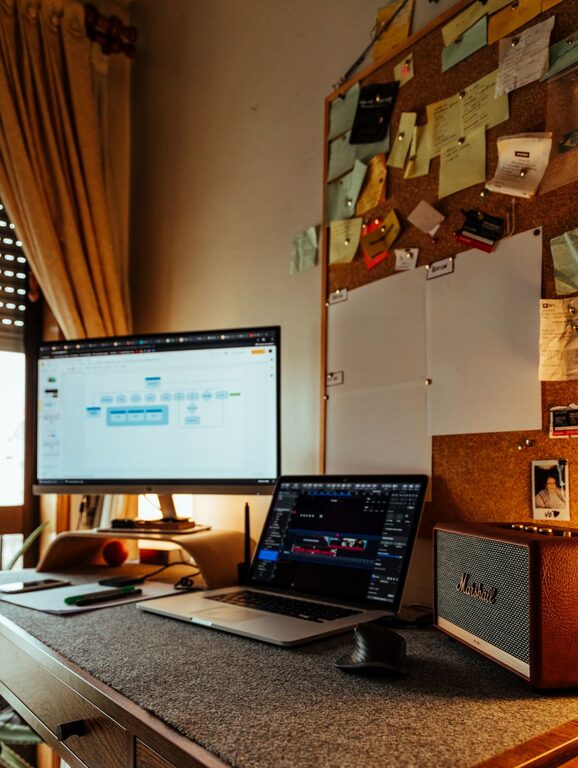
Creating a cozy and productive home office is essential for anyone who spends time working from home. Whether you’re a full-time remote worker, a freelancer, or someone who occasionally needs to tackle tasks outside of traditional office hours, having a dedicated space that encourages focus and comfort can make all the difference.
In this post, we’ll explore practical tips to help you design a home office that feels inviting yet keeps you productive throughout your workday.
Choose the Right Location
The first step in creating a home office is selecting the best spot in your home. Here are some things to consider:
– Quiet and Private: Pick a location away from high-traffic areas to minimize distractions.
– Natural Light: If possible, choose a space near a window to benefit from natural daylight, which can boost mood and energy.
– Ventilation: Good air circulation helps maintain comfort and focus.
– Space: Ensure there’s enough room for your desk, chair, and any necessary equipment.
Don’t feel limited to traditional rooms. A corner in your living room, a nook under the stairs, or a converted closet can work well with thoughtful planning.
Invest in Comfortable and Functional Furniture
Comfort is crucial when you spend hours at your desk. Investing in the right furniture will protect your posture and increase your productivity.
– Ergonomic Chair: Look for an adjustable chair with good lumbar support.
– Proper Desk: Choose a desk with enough surface area to accommodate your computer, notes, and any tools you use regularly.
– Desk Height: Make sure the desk height allows your elbows to rest comfortably at 90 degrees.
– Alternative Options: Consider adjustable standing desks or desk converters to vary your working posture during the day.
Keep your setup organized to avoid clutter, which can be distracting.
Organize Your Space for Efficiency
An organized workspace helps reduce stress and saves time.
– Storage Solutions: Use shelves, drawers, or filing cabinets to keep supplies tidy.
– Cable Management: Use clips, ties, or boxes to arrange cords and keep them out of sight.
– Daily Essentials Close At Hand: Place items you use frequently, like pens, notebooks, or chargers, within easy reach.
– Declutter Regularly: Spend a few minutes each day or week tidying up your space.
Visual order creates mental clarity, making it easier to focus on work tasks.
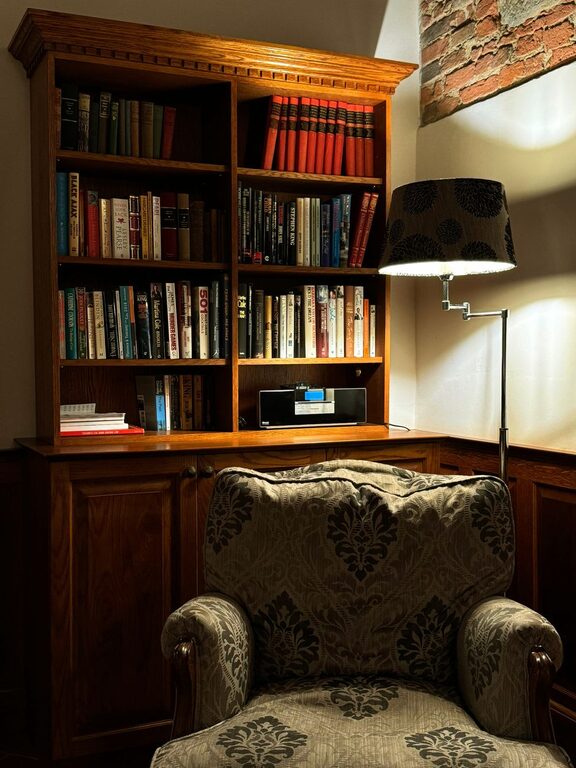
Add Personal Touches and Cozy Elements
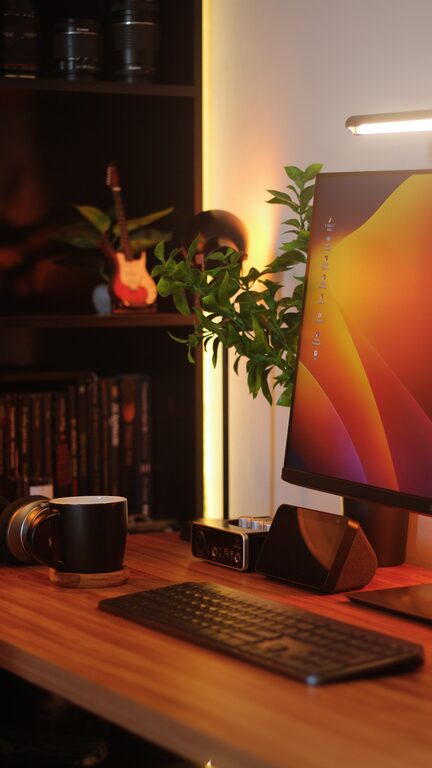
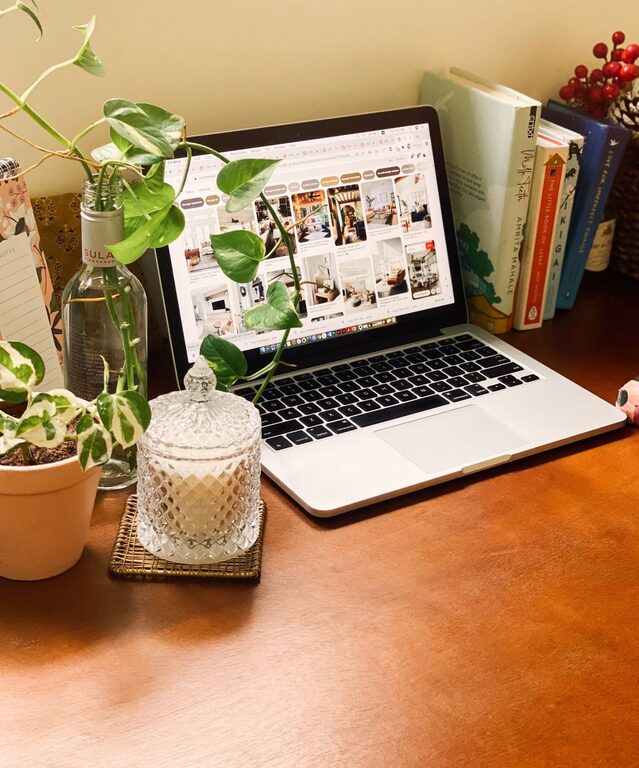
A home office shouldn’t feel sterile. Adding personal and cozy elements can make the space inviting and increase your happiness while working.
– Decorate with Plants: Indoor plants bring color and improve air quality.
– Use Soft Lighting: Combine overhead light with desk lamps or floor lamps for layered, adjustable lighting.
– Incorporate Textures: Add a soft rug, a comfortable throw blanket, or cushions for warmth.
– Wall Art and Inspiration: Display artwork, photos, or quotes that motivate you.
A balanced mix of professionalism and personality helps create a space you want to spend time in.
Manage Technology Thoughtfully
Technology is the backbone of most home offices. Setting it up properly is key to smooth workflow.
– Reliable Internet Connection: Use a strong and stable internet service.
– Functional Equipment: Choose a computer, printer, and peripherals that suit your work demands.
– Tech Organization: Designate spots for charging devices and storing accessories.
– Backup Plan: Regularly save your work and consider using cloud storage to prevent data loss.
Avoid letting technology take over the space; keep cords tidy and screens positioned to reduce eye strain.
Design a Routine and Use Your Space Wisely
Setting your working hours and creating a routine helps reinforce boundaries between work and personal life.
– Define Work Hours: Stick to consistent start and end times.
– Breaks: Take short breaks to stretch, hydrate, and rest your eyes.
– Use Your Space Only for Work: Avoid mixing leisure activities in your office to maintain a clear mental association.
– Review and Adjust: Periodically assess your office setup and habits to see what works and what doesn’t.
Building a routine around your environment supports productivity and well-being.
Control Noise and Distractions
Noise can easily disrupt your focus, so consider ways to minimize it.
– Use Noise-Canceling Headphones: Great for tuning out background sounds.
– White Noise Machines or Apps: These can mask distracting noises.
– Soundproofing: Add curtains, rugs, or acoustic panels if necessary.
– Communicate Boundaries: Let others in your household know your working hours and the importance of quiet during those times.
Maintaining a calm, quiet environment makes concentrating much easier.
Prioritize Health and Wellness
Your physical and mental well-being matters, especially when you work from home.
– Proper Lighting: Avoid glare by positioning monitors perpendicular to windows.
– Posture: Sit with feet flat on the ground and avoid slouching.
– Movement: Stand up, stretch, or walk periodically to prevent stiffness.
– Hydration and Snacks: Keep water and healthy snacks nearby.
Taking care of your body helps sustain energy and focus for long work sessions.
—
Designing a cozy yet productive home office takes a little planning and effort, but the payoff can be huge. By choosing the right location, investing in comfortable furniture, staying organized, and personalizing your space, you’ll create an environment where you can work efficiently and comfortably every day. Remember, the best home office is one that works for you!