

Creating a home office that feels cozy yet functions efficiently can make a big difference in how you work and feel throughout the day. Whether you’re working from home full-time or crafting a quiet spot for occasional tasks, a thoughtfully designed space can boost your productivity and well-being.
This guide offers practical tips to help you set up a home office that’s comfortable, stylish, and organized.
1. Choose the Right Location
Finding the perfect spot for your office is the first step. Consider areas in your home that have:
– Natural Light: A window nearby lets in daylight, which can improve mood and reduce eye strain.
– Privacy: Pick a quiet corner or a separate room where interruptions are minimal.
– Space: Ensure there’s enough room for your desk, chair, and storage without feeling cramped.
If space is limited, consider creative solutions like a nook in the living room or a corner in your bedroom.
2. Invest in a Comfortable Chair and Desk
Comfort is key when you spend hours working. Look for:
– Ergonomic Chair: One that supports your back and encourages good posture.
– Appropriate Desk Height: Your elbows should rest comfortably on the desk when typing.
– Adjustability: Standing desks or height-adjustable tables give flexibility and can help reduce fatigue.
Avoid using everyday dining tables or sofas as workstations to prevent discomfort.
3. Optimize Lighting
Good lighting reduces eye strain and sets the right mood.
– Layered Lighting: Combine ambient light (e.g., overhead fixtures), task lighting (desk lamp), and natural daylight.
– Warm Light: Softer, warm-toned bulbs create a cozy environment.
– Positioning: Place lamps to avoid shadows on your work surface and minimize screen glare.
If natural light is scarce, investing in a daylight-mimicking lamp can help.
4. Keep It Organized with Storage Solutions
Clutter can be a big distraction. Use these tips to keep your space tidy:
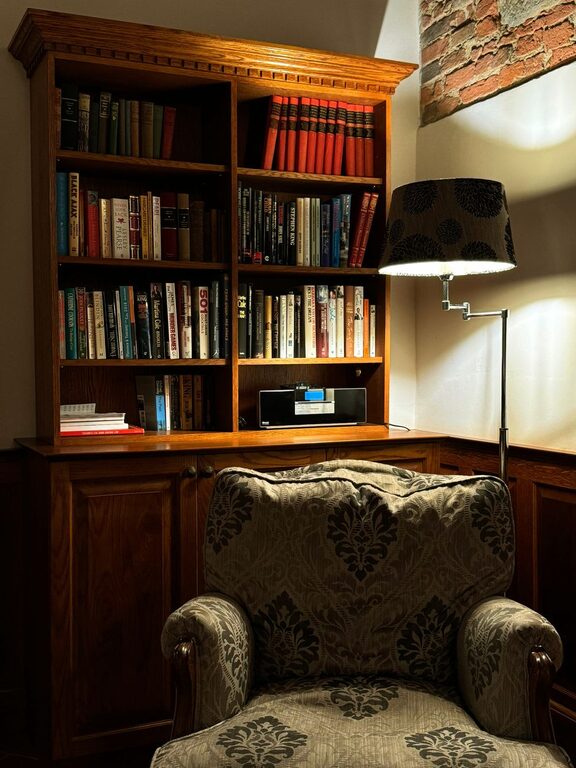
– Shelves and Cabinets: To store books, supplies, or personal items neatly.
– Desk Organizers: Small trays or compartments for pens, notes, and gadgets.
– Cable Management: Clips or sleeves to keep wires under control.
– Filing Systems: For important documents, consider labeled folders or boxes.
Regularly declutter and only keep essentials within reach.
5. Add Personal Touches for Coziness
Making your space feel welcoming encourages you to spend time there.
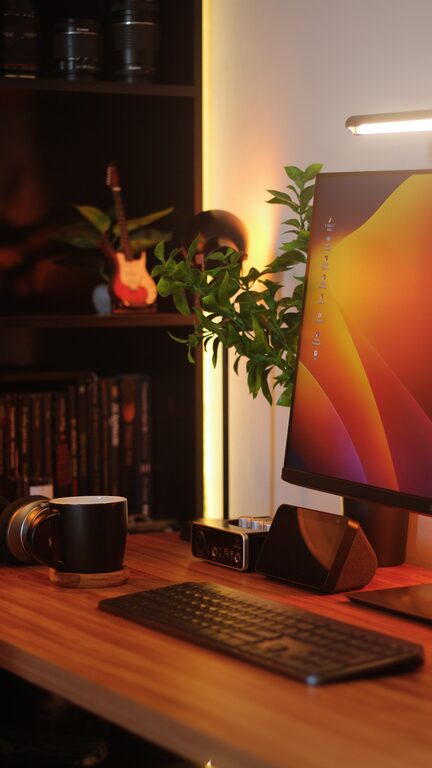
– Plants: A few small houseplants can brighten your area and improve air quality.
– Art and Photos: Hang pictures or artwork that inspire you.
– Soft Textures: Consider a comfy rug, cushioned chair pad, or cozy throw blanket.
– Color Choices: Calming colors like blues and greens work well, but choose tones that make you feel good.
Just avoid overdecorating to prevent distractions.
6. Set Up Technology Thoughtfully
A functional office integrates technology seamlessly.
– Reliable Internet: Ensure strong Wi-Fi or use a wired connection for stability.
– Monitors and Accessories: Larger screens or dual monitors can boost productivity. Ergonomic keyboards and mice help comfort.
– Charging Stations: Keep devices powered and ready.
– Noise Management: Use noise-canceling headphones or white-noise machines if ambient sound is an issue.
Keep cords organized and hidden for a cleaner look.
7. Create Zones for Different Activities
If your space allows, design sections for various tasks:
– Work Zone: Your main desk and computer setup.
– Reference Zone: Shelves or filing cabinets for books and documents.
– Creative Zone: A surface for brainstorming, sketching, or planning with a whiteboard or corkboard.
– Relaxation Spot: A comfortable chair or nook for breaks.
Zoning helps maintain focus and breaks your day into manageable parts.
8. Maintain a Routine and Keep It Flexible
A great home office supports healthy work habits.
– Daily Setup and Cleanup: Start and end your day by tidying your space.
– Adjust Your Environment: Change lighting, temperature, or background music to keep a fresh feel.
– Regular Breaks: Step away from screens and stretch to stay energized.
Remember your home office should serve your needs—it’s okay to tweak your setup over time.
—
By combining comfort, organization, and personal style, you can create a home office that feels inviting and helps you get your work done efficiently. Start small, adapt to your preferences, and enjoy the benefits of a workspace that truly works for you.