


Creating a home workspace that promotes productivity can make a significant difference in your work-from-home experience. Whether you’re freelancing, running a business, or simply trying to be more efficient while working remotely, an organized space helps reduce distractions and keeps you motivated. Here are detailed tips to help you design and maintain a productive home workspace.
Choose the Right Location
Finding an ideal spot in your home to set up your workspace is the first step. Consider these factors:
– Natural Light: Position your desk near a window if possible. Natural light helps reduce eye strain and boosts mood.
– Quiet Area: Select a place with minimal noise and interruptions. This helps maintain focus.
– Space Availability: Ensure there’s enough room for your desk, chair, and any essentials you regularly use.
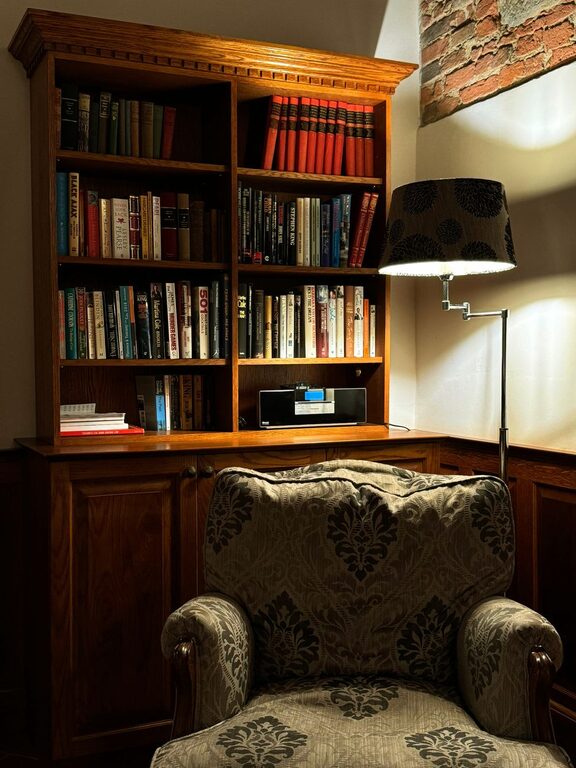
If you have limited space, choose a corner or a small nook that you can dedicate specifically to work.
Invest in Comfortable Furniture
Comfort matters a lot when setting up a home workspace. Your choice of furniture impacts your posture, energy levels, and focus.
– Ergonomic Chair: Find a chair that supports your back and encourages good posture.
– Desk Height: Your desk should be at a height where your arms rest comfortably while typing.
– Additional Furniture: Consider shelves or filing cabinets for organizing documents and supplies.
Comfortable furniture reduces fatigue, making it easier to stay productive during long work sessions.
Keep Your Desk Organized
A cluttered desk can lead to a cluttered mind. Here’s how to keep your workspace tidy:
– Use Storage Containers: Trays, baskets, or drawer organizers can help sort pens, papers, and gadgets.
– Clear Unnecessary Items: Keep only the tools you need daily on your desk.
– Digital Organization: Keep your computer desktop and folders organized for quick access.
Try the “one-in, one-out” rule: for every new item brought in, remove an old one to prevent buildup.
Minimize Distractions
Distractions at home can quickly derail your productivity. Try these strategies to stay focused:
– Turn Off Notifications: Silence notifications on your phone or computer during work hours.
– Set Boundaries: Inform family or roommates about your working times to avoid interruptions.
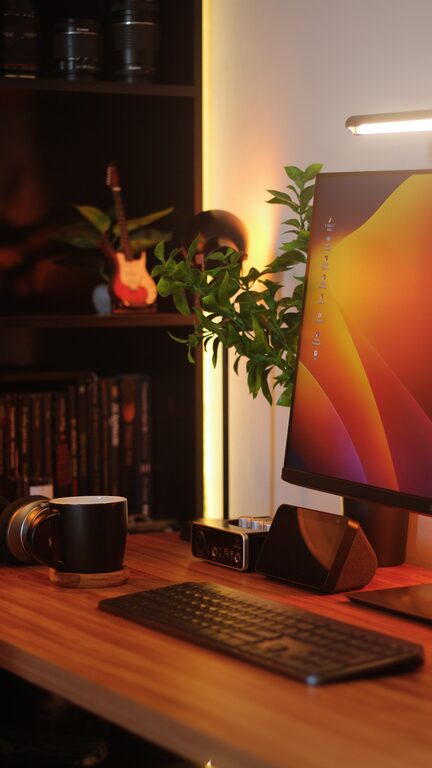
– Use Noise-Canceling Headphones: These can help block out background noise, especially in busy households.
Creating a focused environment will help you enter a productive mindset more easily.
Personalize Your Workspace
Adding personal touches can make your workspace inviting, which encourages you to spend time there.
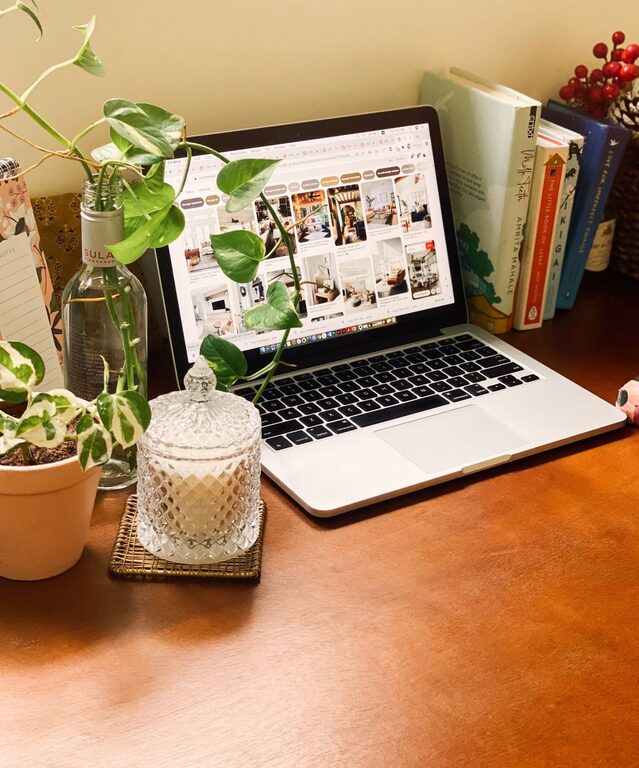
– Plants: Small indoor plants improve air quality and add a calming element.
– Inspiring Artwork: Hang pictures or quotes that motivate you.
– Comfort Items: A soft throw or a small lamp can increase comfort without causing clutter.
Just be careful not to overdo personalization, as too many items can become distracting.
Organize Your Digital Workspace
Your physical workspace is only half of the picture—an organized digital environment also plays an important role.
– Declutter Your Desktop: Keep only important files and shortcuts.
– Use Productivity Tools: Apps like task managers or calendar planners help track your work efficiently.
– Back Up Regularly: Protect your data with scheduled backups to avoid surprises.
Having a clean digital workspace supports smoother workflow and reduces stress.
Establish a Routine
Even the best workspace won’t help if your work habits aren’t productive. Establishing a routine is key:
– Set Work Hours: Stick to consistent times, just like you would in an office.
– Take Breaks: Short breaks every hour refresh your focus and prevent burnout.
– Start and End Your Day Right: Begin by reviewing your to-dos and end by organizing your desk for the next day.
A routine trains your brain to associate your workspace with productivity.
Maintain Your Workspace Regularly
Keeping your workspace organized is an ongoing process:
– Daily Tidying: Spend a few minutes at the end of each day putting things away.
– Weekly Deep Clean: Clear out unnecessary papers and dust your desk.
– Reassess as Needed: Change your setup based on what’s working and what isn’t.
Regular maintenance prevents clutter from building up and helps keep your workspace functional.
—
Creating a productive home workspace is about intentional choices — from where you work to how you stay organized. By following these tips, you’ll foster an environment that supports focus, comfort, and creativity, making your work-from-home experience better every day.